Based on an Infoquest Expert Voices interview with Dr. Eid Al-Otaibi, Tourism and Hospitality Strategy Advisor
Saudi tourism infrastructure is racing to keep pace with the kingdom’s giga-projects, and according to Dr. Eid Al-Otaibi, a tourism and hospitality strategist who has advised Saudi Arabia’s Ministry of Tourism, that is exactly the point. New runways at NEOM, an expanded international gateway in AlUla, and a dedicated airport rising alongside the Red Sea project are not playing catch-up. They are part of the same blueprint as the destinations they serve.
Airports Rising Alongside the Red Sea, NEOM and AlUla
Al-Otaibi explained that infrastructure generally develops in line with the destination itself, rather than before or after it. The Red Sea project’s airport is being built in step with the wider resort development, designed to welcome guests almost as soon as the properties open their doors. NEOM’s airport has already received its first aircraft, a milestone that signals the broader site is moving from blueprint to reality.
AlUla tells a similar story. Once a domestic airstrip, it has been expanded into a full international airport now receiving flights from Paris, GCC capitals, and other European and Middle Eastern cities. For a region once reached mainly by road, that shift in air access changes who can visit and how quickly.
Riyadh’s Airport Boom Targets Five Gateways by 2030
Riyadh is the centerpiece of the next wave. Al-Otaibi pointed to three additional airports either underway or planned for the capital: a new facility to the north, the expansion of King Khalid International Airport into King Salman International Airport, which he described as set to become the largest airport in the region, and a third gateway to the west. Combined with progress at NEOM, AlUla and the Red Sea, Saudi Arabia is on track for around five new or significantly expanded airports by 2030.
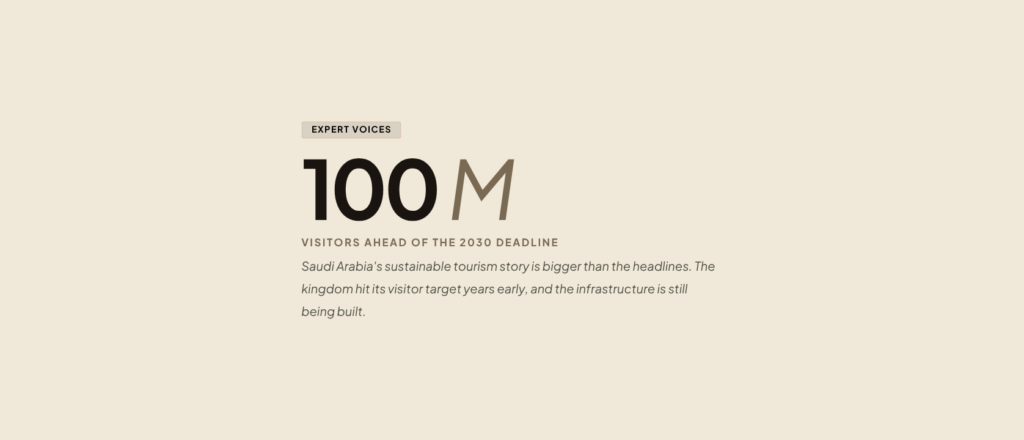
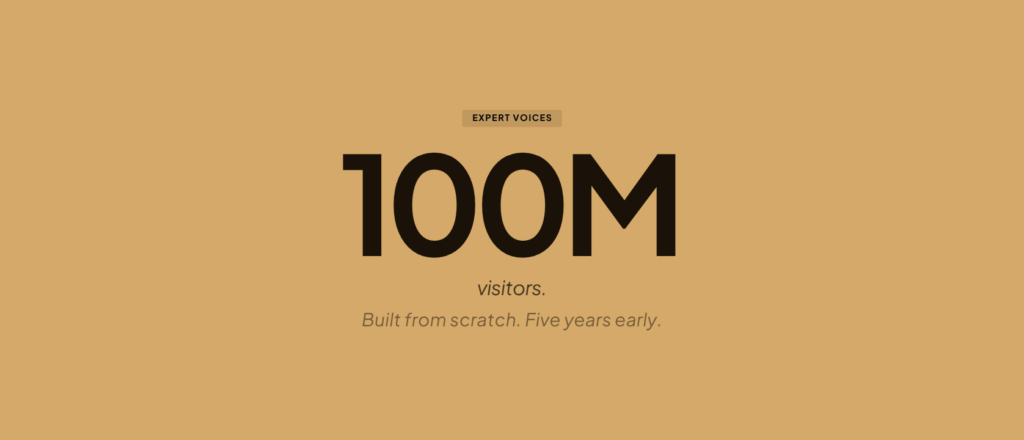
That scale matters for an industry that is already ahead of schedule. Saudi Arabia hit its target of 100 million annual visitors before 2025, five years ahead of the original Vision 2030 deadline, even while airport and accommodation infrastructure was still under construction.
Saudi Arabia’s Airport Expansion Roadmap to 2030
Saudi tourism infrastructure is being built in step with giga-project launches, with airport capacity scaling toward five new or significantly expanded gateways by 2030.
Domestic Airport to International Gateway
AlUla’s airport has been expanded from a domestic airstrip into a full international airport, now receiving flights from Paris, GCC capitals, and other European and Middle Eastern cities.
NEOM Airport Receives First Aircraft
NEOM’s airport is operational and already receiving aircraft, marking the shift of the wider site from construction to active development.
Red Sea Project Airport Built in Step
The Red Sea project’s airport is developing alongside the resort destination itself, designed to be ready as new properties open to guests.
Three New Gateways for the Capital
A new airport to the north, the expansion of King Khalid International into King Salman International Airport (planned as the region’s largest), and a third gateway to the west.
Air Connectivity Initiative at Full Strength
An independent air connectivity body works to attract more international airlines, positioning Saudi Arabia as a global connecting hub with around five new or expanded airports online.
The Air Connectivity Initiative Opens Saudi Skies to the World
One outcome of the national tourism strategy has been the air connectivity initiative, now an independent body tasked with attracting more international carriers to fly into Saudi Arabia. The goal, Al-Otaibi said, is to position the kingdom as a connecting hub for international flights, similar to how Dubai and Doha built their tourism economies around aviation hubs. More airlines routing through Saudi airports means more arrivals landing directly at the doorstep of NEOM, the Red Sea, AlUla and Riyadh, rather than connecting through a third country first.
How Saudi Tourism Infrastructure Keeps Pace With Giga-Project Launches
Asked about the biggest risks to delivering all this on schedule, Al-Otaibi was unusually confident. He said he does not see major challenges, pointing to arrival figures and project KPIs as evidence that the work is tracking against plan. Minor adjustments happen, he said, but nothing that has threatened overall delivery timelines.
He was equally candid about the gaps that remain. Even with the 100-million-visitor target already met, accommodation, airports and some destinations are still being built out. Closing those gaps by 2030, he argued, could double current visitor numbers and put Saudi Arabia in direct competition with established global destinations such as France.
Hyper-Personalized Journeys Across Sun, Sea, Culture, and Adventure
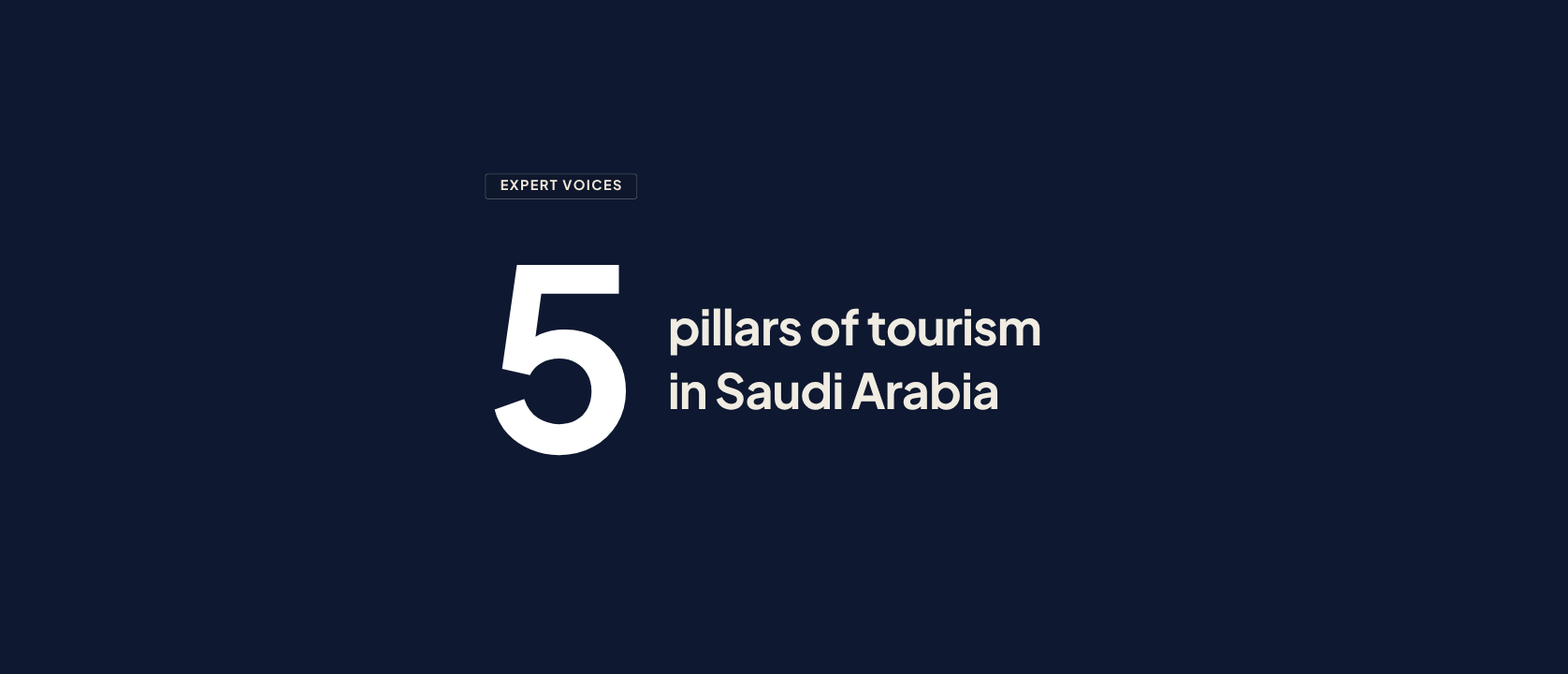
Infrastructure is only half the story. Al-Otaibi described a national strategy built around five visitor “purposes”: sun and sea, culture and heritage, culinary, adventure, and sports, and said Saudi Arabia can compete in all five. The Red Sea’s beaches and reefs cover sun and sea, while AlUla’s archaeological sites anchor culture and heritage. The Dakar Rally’s route through Saudi Arabia, alongside desert and mountain adventures, covers the adventure segment, and each region’s distinct cuisine adds a culinary layer.
Sindalah, he said, is the clearest example of these strands coming together: sustainable design, integrated technology, and what he called a seamless travel experience, all wrapped into one island destination. He also pointed to research showing more than 80 percent of travelers rank authenticity as their top reason for choosing a destination, and argued that authenticity is exactly where Saudi Arabia has the edge over more established regional rivals.
Saudi Arabia’s Five Tourism Experience Pillars
The Saudi national tourism strategy identifies five visitor “purposes.” Dr. Eid Al-Otaibi notes Saudi Arabia can compete across all five, supported by infrastructure now coming online.
Sun & Sea
Clean, sustainable beaches along the Red Sea coast, with destinations like Sindalah showcasing resort-level coastal experiences.
Culture & Heritage
AlUla’s archaeological sites and UNESCO-listed rock art anchor a deep cultural offering, with regions like Hai topping domestic spend growth.
Culinary
Every region carries its own distinct cuisine, giving visitors a layered food experience that shifts as they move across the country.
Adventure
Desert and mountain adventures, plus the Dakar Rally’s route through Saudi Arabia, bring an adrenaline-driven layer to the destination mix.
Sports & Signature Events
Major global events anchor the calendar: the Asia Cup in 2027, the Riyadh Expo in 2030, and the FIFA World Cup in 2034, each testing new airport and hospitality capacity.
Momentum Builds Toward 2030 and a Decade Beyond
Looking past 2030, Al-Otaibi expects Saudi tourism to rank among the world’s largest tourism industries, fueled by a string of global events: the Asia Cup in 2027, the Riyadh Expo in 2030, and the FIFA World Cup in 2034. Each will test the new airports, roads and hospitality stock now under construction, and each will put Saudi Arabia’s air connectivity strategy directly in front of an international audience.
For Al-Otaibi, the message to investors and consultants is simple: come and see it for yourself. He encouraged outside observers to look past media narratives and study the arrival numbers directly, while also flagging a gap in national-level tourism statistics, covering metrics such as occupancy and average daily rate, as an opening for firms that want to help fill it.